Bony’s story begins in a place most people would never imagine a dog could endure—a forgotten corner of an old, neglected house where life had stalled and compassion had long since faded. In that dim, quiet space, she lived beside her mother, both of them left behind by the very person meant to protect them. What they faced was not just loneliness, but endless days without proper food, without gentle care, and without the warmth every living creature deserves. Their world was shaped by silence, darkness, and a constant struggle to hold onto hope when nothing around them offered comfort or safety.
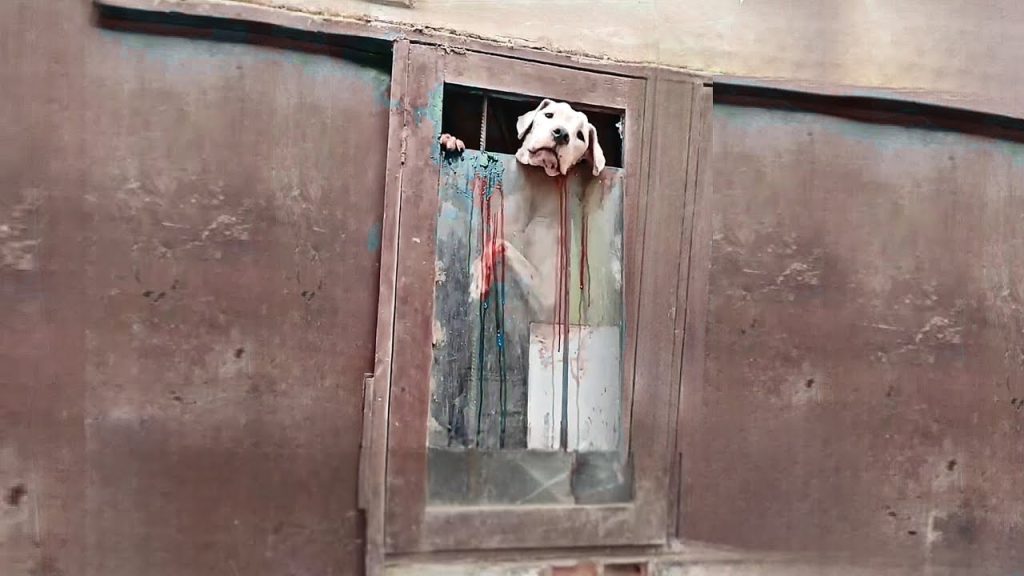
The house itself was crumbling, as if it had given up long before they did. Sunlight slipped through broken boards and shards of glass, creating thin lines of brightness on floors crowded with debris. In that forgotten room, Bony searched for a way out. She nudged her small body toward a cracked window, believing that something kinder must exist outside—something warm, steady, and safe. When she rubbed her paws against the sharp edges, she left tiny marks behind, each a testament to both her courage and her desperation. She wasn’t running away from home; she was trying to run toward the idea of hope.
Her mother stayed close, watching her with quiet concern and unwavering devotion. They shared everything—hunger, restless nights, and that fragile thread of strength that kept them going. They relied not only on instinct but also on each other, drawing comfort from the bond that had carried them through the hardest days. Even when the world offered them so little, their connection reminded them that they were not entirely alone.
When rescuers finally discovered their situation, they were stunned by how fragile both dogs had become. They knocked, called out, and waited, hoping someone would answer. What followed was a tense exchange with the owner, who attempted to offer excuses that could no longer hide the truth. And when he realized that help—and the authorities—were on their way, he fled, abandoning them once again, but this time for good.
The rescuers stepped inside without hesitation. Their mission was clear: get Bony and her mother to safety. Both dogs were dangerously weak, their bodies displaying the unmistakable signs of prolonged neglect. And yet, in their eyes, there remained a quiet spark—a soft message that said they still wanted to live. Guided by gentle hands and reassuring voices, they were lifted out of the place that had trapped them for far too long, finally headed toward the care they had needed for months.
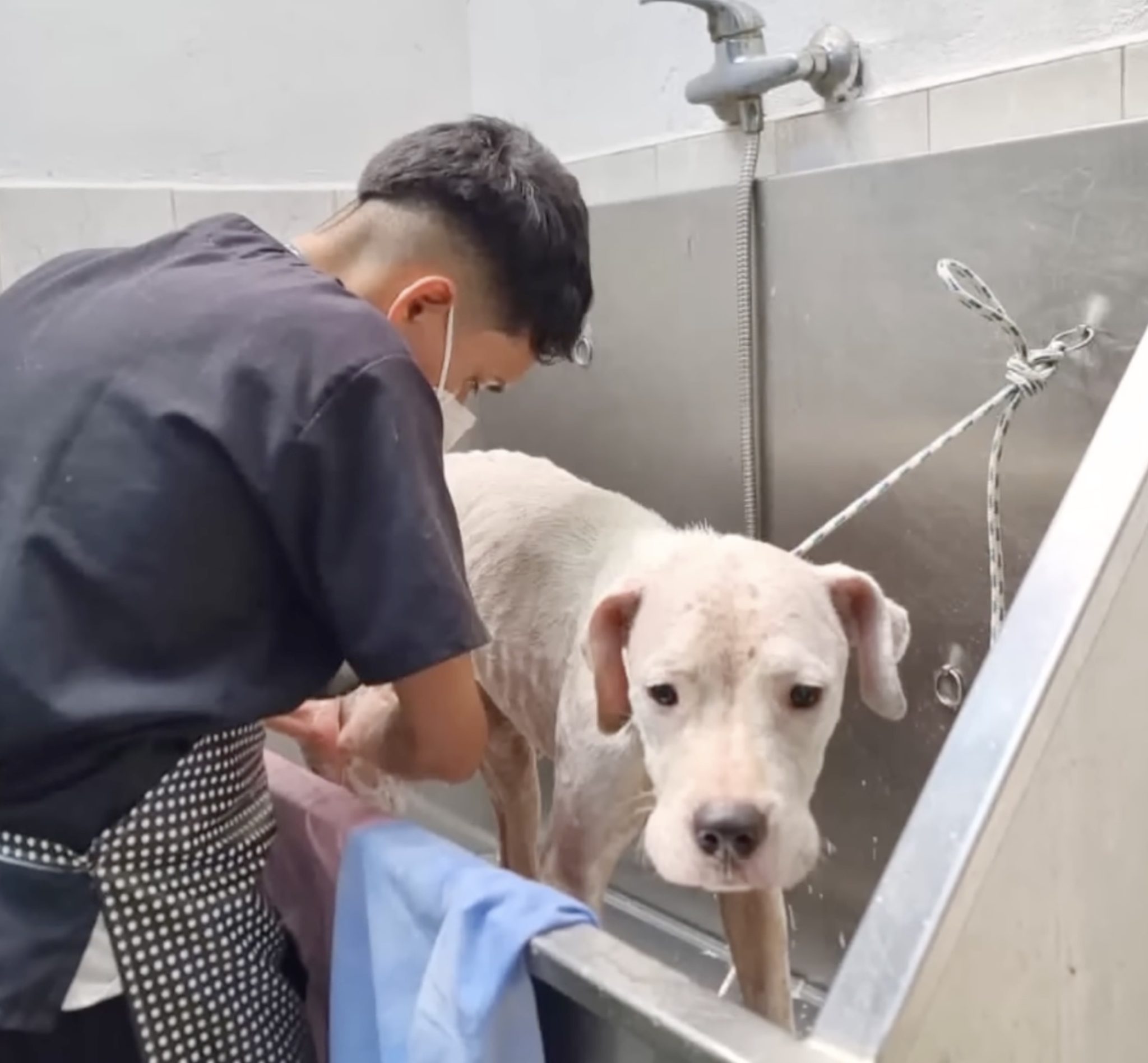
Bony was immediately taken to a veterinary clinic where she could be properly examined and treated. Her physical state required urgent attention: she was exhausted, severely underweight, and her paws bore the cuts and scrapes from the window she had tried so desperately to reach. But the deeper wounds—those shaped by fear, confusion, and abandonment—would take more time to heal. She didn’t understand why she had been left behind, nor could she yet trust that this new environment was safe.
Over the next several days, Bony slowly learned that human touch did not always bring harm. She was placed in a loving foster home, where every act of kindness became a small step toward healing. Her foster family offered warm meals, soft blankets, and a peaceful corner where she could rest without fear. They sat nearby each day, patiently allowing her to approach them when she felt ready. Their gentle consistency changed everything. Little by little, Bony began to lean toward trust.
The first time she wagged her tail became a treasured moment—soft, hesitant, and full of meaning. It wasn’t an exuberant gesture, but a quiet test of whether joy was possible again. As the weeks passed, she discovered simple pleasures she had never truly known before. She met another dog who became her friend, and for the first time in many months, she learned how to play. Her posture lifted, her eyes brightened, and the heavy sadness she once carried slowly began to loosen its hold.
Still, healing does not move in a straight line. Because of her past, Bony sometimes barked loudly when she felt unsure or startled. These moments were not signs of aggression—they were echoes of old fears, responses shaped by the hardships she had lived through. Some families who considered adopting her eventually changed their minds, concerned about her size or misunderstanding her occasional barking. They did not fully grasp how remarkable her progress had been.
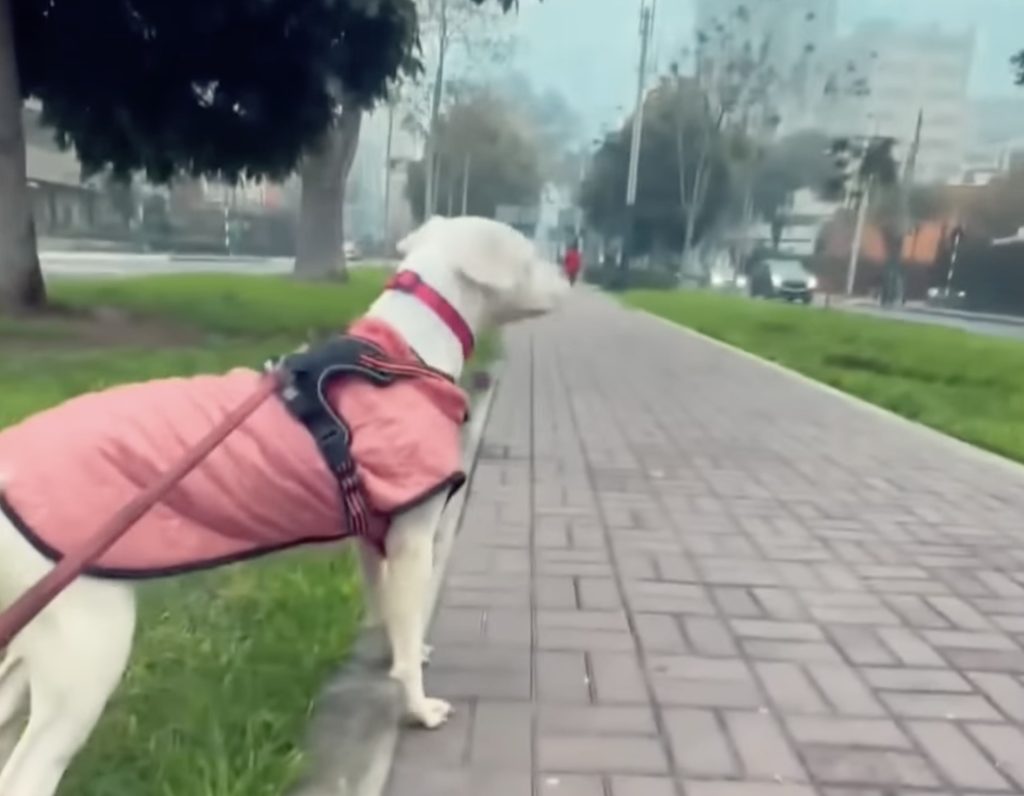
Yet Bony has shown, time and time again, that she is resilient, gentle, and deeply loyal once she feels secure. She enjoys quiet walks, warm laps, and peaceful evenings where she can simply rest without worry. She has grown into a tender, affectionate dog with a calm spirit—a companion who wants nothing more than a safe home where she can finally settle and be loved without condition.
Now, she is ready for adoption. What she truly needs is a family who understands her journey and respects the strength it took for her to survive. She needs people with patience, kindness, and a willingness to offer the steady love she has long been denied. With the right family, she will continue to blossom into the steady-hearted companion she was always meant to be.
Her past may have shaped her, but it does not define her future. Bony is waiting for someone who sees not just where she has been, but who she has become—a gentle soul eager to give and receive love, hoping for a peaceful forever home where the next chapter of her life can finally be filled with joy.