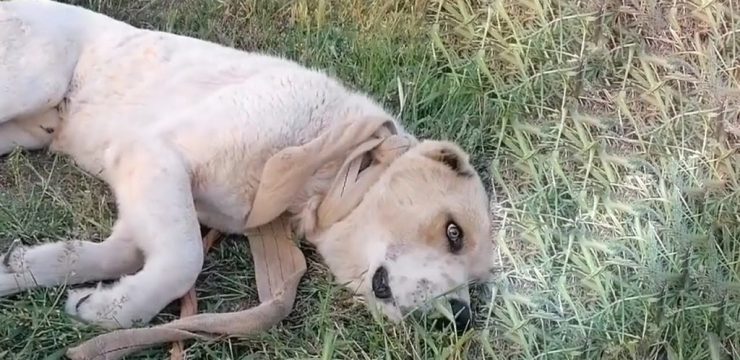
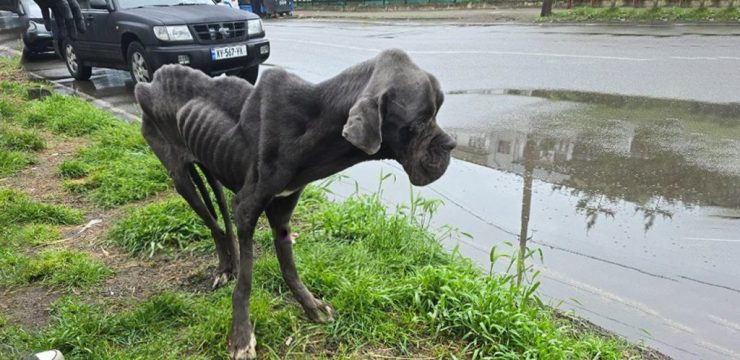
Along a lonely stretch of highway buried beneath heavy snow, a dog lay motionless, barely visible against the white silence. His body was curled inward, stiff from cold and exhaustion, as if he had surrendered to the elements. Snow had piled around him, almost swallowing him whole, and for hours—perhaps longer—no one noticed. The road was empty, the air unforgiving, and the world seemed to move on without him. Yet even in that stillness, his presence was a quiet cry for help, a fragile life waiting for someone to care.
Eventually, someone did.
A call reached a rescue team reporting a dog lying unmoving in a remote area more than one hundred kilometers away. The details were vague, but the urgency was clear. Without delay, the rescuers gathered their gear and set out, navigating icy roads and poor visibility with a single thought in mind: there might still be time. Every kilometer felt heavy with uncertainty, but they pressed on, driven by hope rather than guarantees.
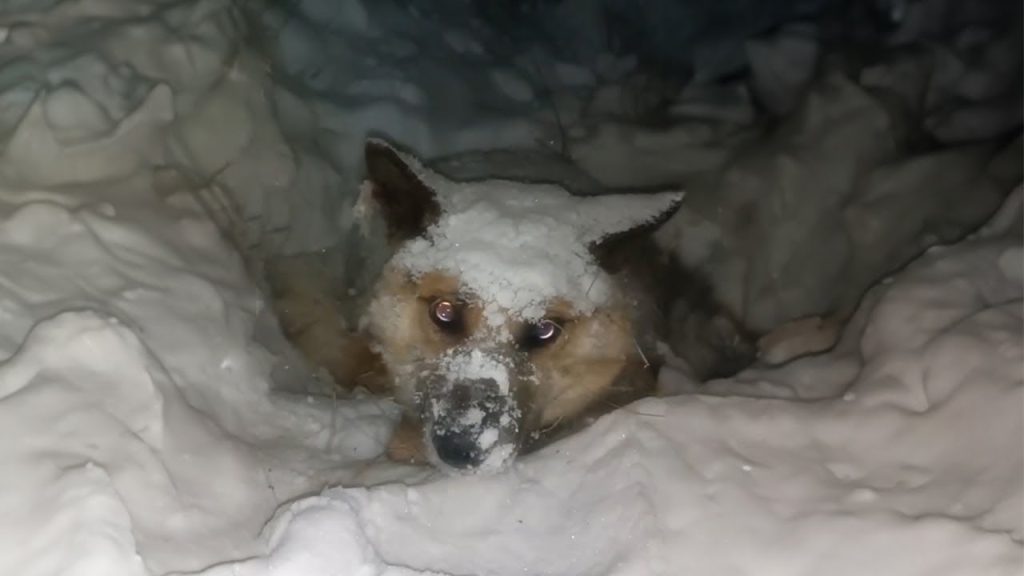
When they arrived, they had to dig through deep snow before they could reach him. As they gently lifted the dog from the frozen ground, a sudden, piercing cry broke the silence. It was raw and haunting, filled with pain that words could never capture. That sound confirmed what they feared and hoped at the same time—he was alive. They wrapped him carefully and rushed him to the nearest veterinary clinic, refusing to let that fragile spark fade.
At the clinic, the dog—later named Thor—was trembling uncontrollably. His eyes darted around the room, wide with confusion and fear. The veterinary team worked quickly, checking for fractures, spinal injuries, and internal damage. To their surprise, the results were largely normal. There were no broken bones. His spine was intact. His organs were functioning. Yet Thor could not stand. His legs would not support him, as if his body no longer remembered how to move.
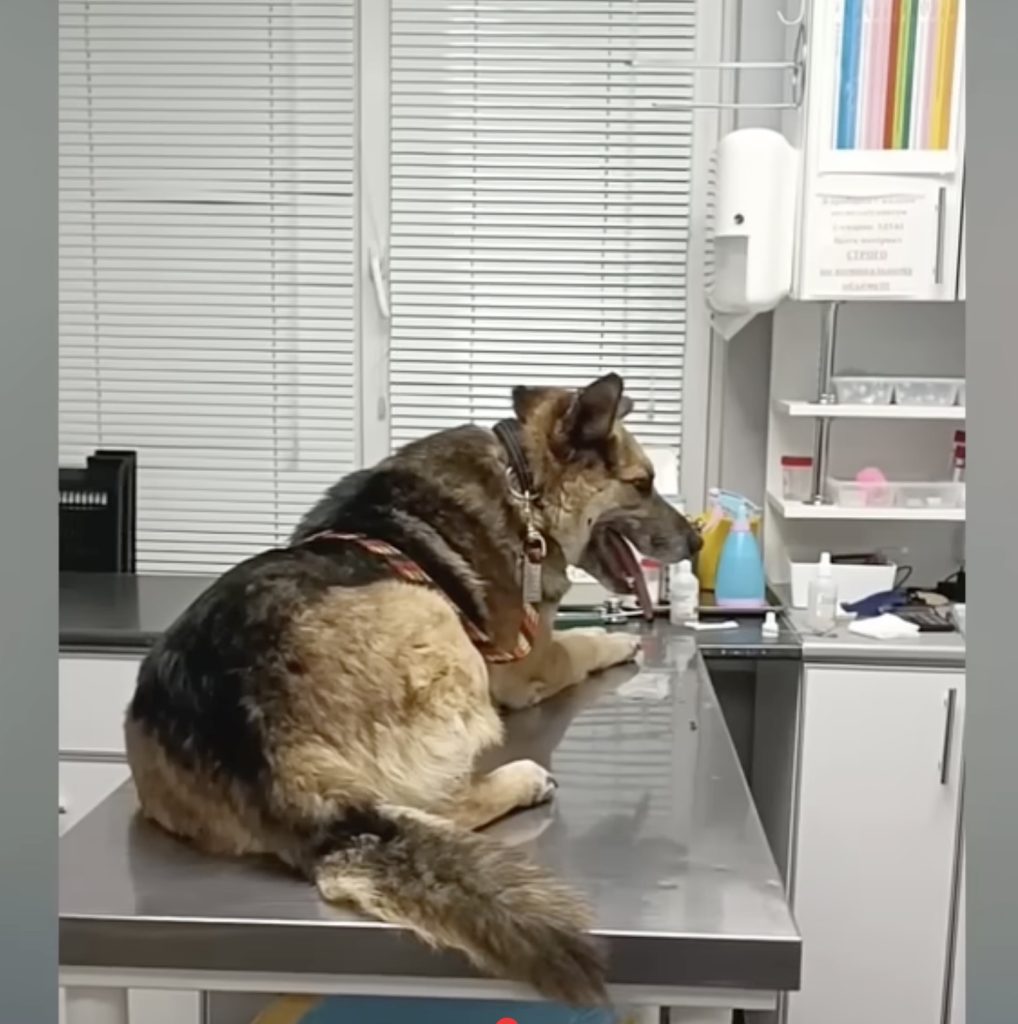
The days that followed were filled with uncertainty. Thor remained still, unable to walk or even shift his position without help. The team was puzzled. Physically, he should have been improving, but something invisible was holding him back. It wasn’t until a neurologist with experience in trauma cases examined him that the truth became clear. Thor’s paralysis was not caused by injury to his body, but by damage carried deep within his mind.
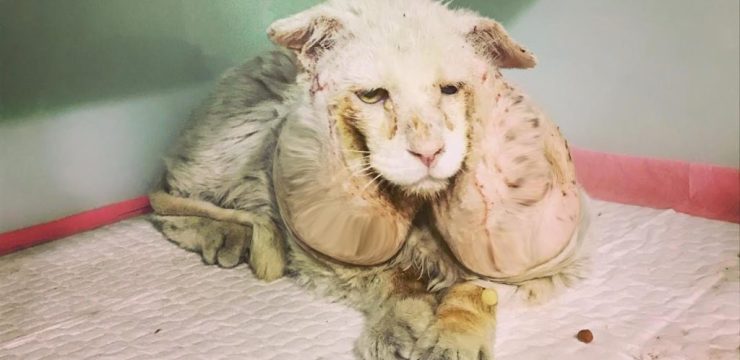
Thor had endured prolonged cruelty. Faint scars marked his face and ears, old wounds that had healed but never truly faded. He startled at sudden noises, shrank away from quick movements, and would only eat when the room was completely quiet. His mind, overwhelmed by fear and suffering, had shut his body down as a form of protection. It was not weakness. It was survival.
Faced with this reality, the rescue team changed everything about how they cared for him. There were no raised voices, no hurried hands. The room stayed calm and warm. Food was offered gently. Touch was slow and respectful. They stayed nearby without forcing interaction, allowing Thor to set the pace. Progress was uncertain, but patience became their promise.
On the fifth day, something remarkable happened. Thor lifted his head. It was a simple movement, barely noticeable to anyone else, but to those watching, it felt like a miracle. His eyes softened as he took in his surroundings, no longer frozen in terror. Two days later, he sat up on his own. The fear that once filled his gaze began to loosen its grip, replaced by a quiet sense of safety.
From there, healing unfolded step by step. Thor started eating with more confidence. His tail gave a tentative wag. He leaned into gentle affection instead of recoiling from it. Each small change was celebrated, not because it was dramatic, but because it represented trust slowly returning. This was not just physical recovery. It was the rebuilding of a broken spirit.
Soon, Thor was ready to leave the clinic. The team gathered to say goodbye, many with tears in their eyes. They had met him at his lowest point and watched him rise again, not through force, but through kindness. Saying farewell was emotional, yet filled with gratitude.
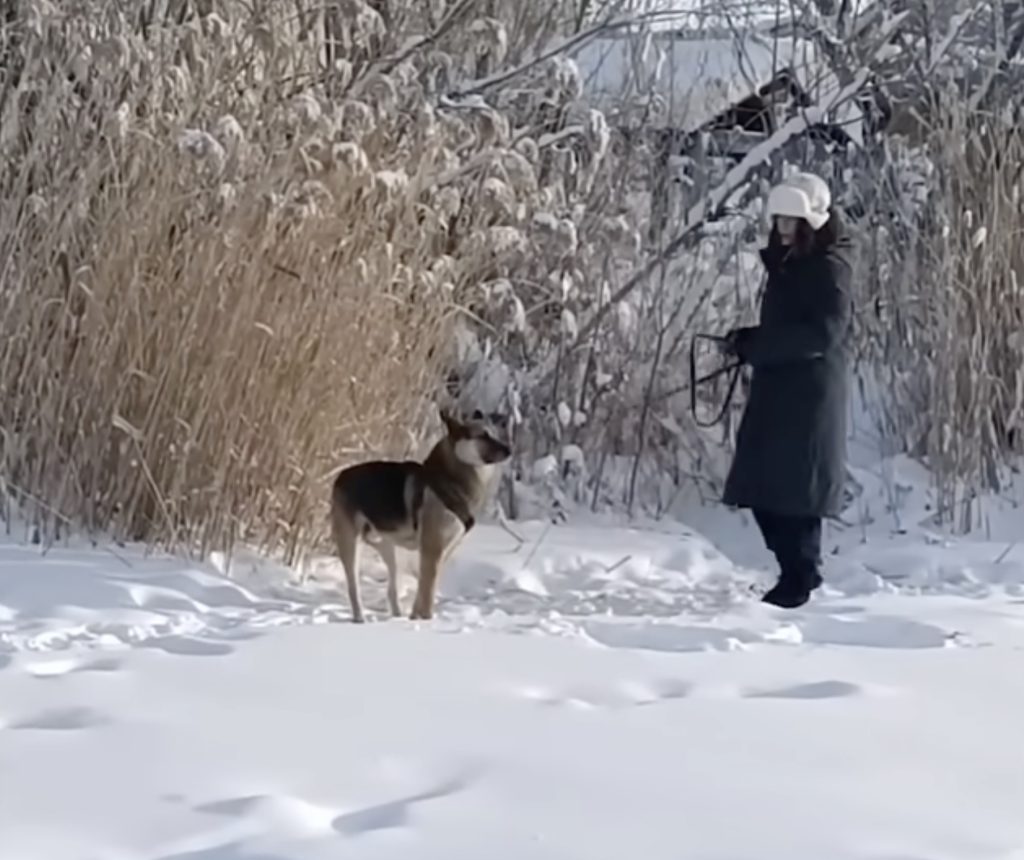
Today, Thor lives in a safe, loving home. He has a warm bed, quiet routines, and people who understand his past. He runs, plays, and rests without fear. His name, chosen with care, reflects not loud strength, but quiet endurance. Thor survived, waited, and learned to trust again.
His story reminds us that healing takes time, gentleness, and love. Many animals still wait in silence. May Thor’s journey inspire compassion, patience, and hope—for every soul deserves a second chance.